


Send Message
Privacy statement: Your privacy is very important to Us. Our company promises not to disclose your personal information to any external company with out your explicit permission.

EN
Double glazed casement windows combine a side-hinged opening sash with a sealed insulated glass unit made from two panes separated by a spacer. For Australian homes, that pairing can support lower heat transfer, useful ventilation and a firm perimeter seal when the sash closes. The right result, however, depends on the whole window—not glass alone. Frame design, seals, hardware, installation, orientation, shading, window size and verified whole-window ratings all matter.
This guide explains how to compare options without assuming that every double glazed window performs the same. It is written for Australian homeowners, designers and builders planning a new build or renovation. Product availability, glass make-up, structural suitability and regulatory compliance must always be confirmed for the specific project, site and jurisdiction.
Double glazed casement windows are side-hinged openable windows fitted with an insulated glass unit, or IGU, containing two panes separated by a sealed gap. The casement action can pull the sash against compression seals when closed, while the IGU reduces heat transfer compared with basic single glazing in an otherwise comparable system.
The Australian Government’s Your Home glazing guide explains that glazing performance is determined by the glass and frame together. It also notes that windows can account for substantial unwanted heat loss and heat gain, which is why selection should be coordinated with insulation, orientation, thermal mass, shading and weather sealing.
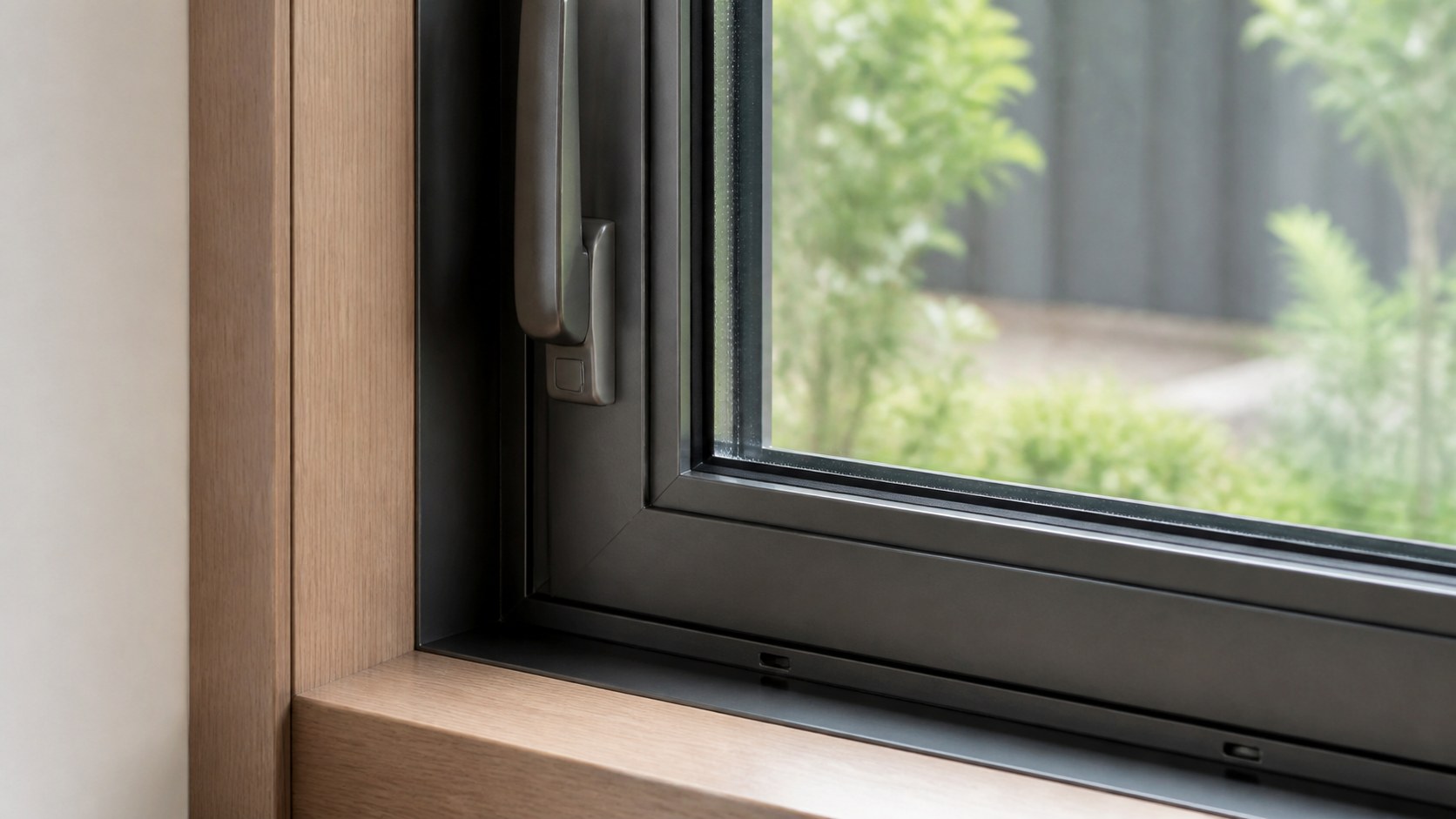
If you are new to the opening style, start with our casement window guide for Australian homes. You can also review the current Aluminium Casement Window category, but confirm each project’s glazing, frame, hardware and rating requirements before specifying.
A casement sash pivots on side hinges. Depending on the hardware and opening restriction, it can capture breezes more directly than a fixed window. When closed, the locking action can compress continuous seals around the sash. Actual ventilation area, opening force, fall prevention and restrictor requirements must be assessed for the window location and building use.
An IGU uses two panes, a perimeter spacer and a sealed cavity. Different glass types, coatings, cavity widths, gas fills and spacer systems can change thermal, solar, acoustic and visual performance. These options are not interchangeable, and a generic phrase such as “double glazing” is not a performance specification.
The frame conducts heat, holds the sash square and supports the glass and hardware. Seals help manage air and water penetration, while installation connects the tested window system to the wall opening. A high-performing IGU cannot compensate for unsuitable framing, damaged seals, poor drainage or an incorrectly prepared opening.
U-value describes the rate of heat transfer through the complete window; lower is more insulating. Solar heat gain coefficient (SHGC) describes how much solar heat passes through the complete window; lower reduces solar gain, while a higher value may be useful where controlled winter solar gain is part of the design. The NCC 2022 Housing Provisions Part 13.3 uses Total System U-Values and Total System SHGCs and considers climate, orientation and other design factors.
| Option | Construction | Potential advantage | Key limitation to check |
|---|---|---|---|
| Single glazing | One pane in the sash | Simple construction and lower weight | Generally higher heat transfer than a comparable double glazed system |
| Double glazing | Factory-sealed two-pane IGU | Improved insulation potential and a warmer internal glass surface in cool conditions | Performance varies with the complete window specification |
| Secondary glazing | Additional internal pane or panel added to an existing window | Can improve an existing opening without full window replacement | Air gap, condensation management, cleaning access and heritage constraints require care |
Your Home distinguishes sealed double glazing from secondary glazing and recommends comparing complete systems. For acoustic objectives, pane thickness, lamination, cavity design, seals and installation all influence results; double glazing alone does not guarantee a particular sound rating.
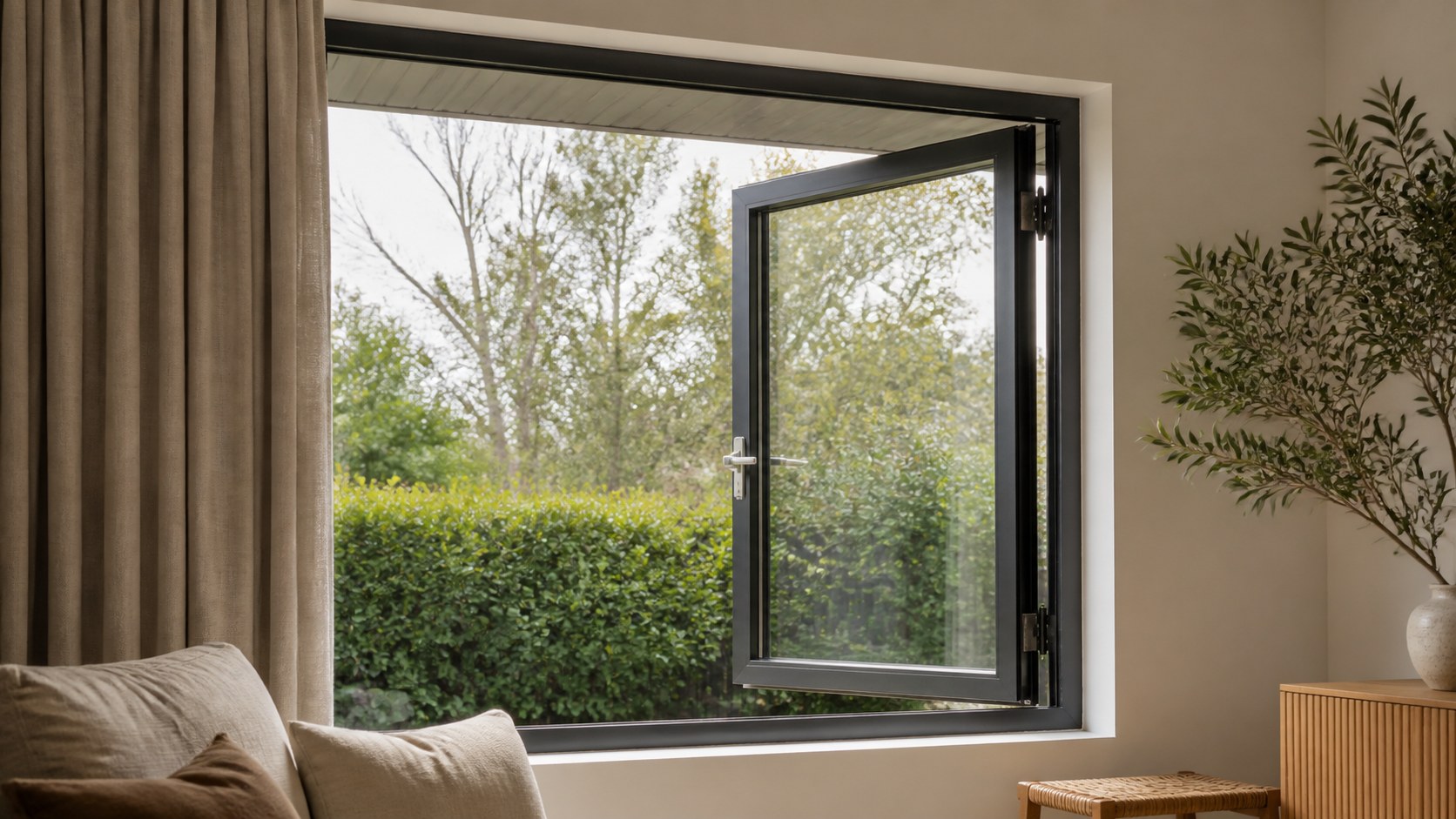
For energy modelling, the Australian Government’s Nationwide House Energy Rating Scheme (NatHERS) considers window size, orientation, glazing and frame performance as part of the home design. A NatHERS assessor or other appropriately qualified professional can test design options before products are ordered.
The National Construction Code is adopted and administered by Australia’s states and territories, and variations or transition arrangements can apply. For housing, NCC 2022 Housing Provisions Part 13.3 addresses external glazing energy performance, including winter conductance, summer solar heat gain and shading. Other NCC provisions can affect structure, weatherproofing, safety glazing, ventilation and openings.
The relevant edition, building classification, climate zone and local requirements must be confirmed for each job. Refer to the official NCC edition page and consult the building surveyor, certifier, designer or engineer responsible for the project. This article is general education, not a compliance certificate or substitute for a project specification.
They can be specified for many climates, but the optimum U-value, SHGC, glass type and shading strategy vary by location and orientation. A cool-climate design may prioritise lower heat loss, while a hot-climate design may place greater emphasis on limiting unwanted solar gain. Use project-specific modelling and compliance checks.
No. Better glazing can keep the internal glass surface warmer in cool weather and may reduce surface condensation risk, but indoor humidity, ventilation, thermal bridging, frames, installation and outdoor conditions also matter. Persistent condensation should be assessed as a whole-building moisture and ventilation issue.
A lower whole-window U-value means greater resistance to heat flow, which is generally beneficial for insulation. It is not the only selection criterion. SHGC, orientation, shading, daylight, ventilation, frame durability, structural requirements, safety and cost must be considered together.
They may improve acoustic performance, especially when the window closes tightly, but results depend on pane thickness, laminated glass, cavity design, seals, frame, vents, wall construction and installation. Request a verified acoustic rating for the complete proposed system when noise control is a project requirement.
Sometimes, but the existing sash and hardware must be able to support the thicker, heavier IGU and maintain safe operation, drainage and sealing. Full replacement or secondary glazing may be more suitable. Have the existing frame and opening assessed before selecting an upgrade path.
Well-selected double glazed casement windows can combine controlled ventilation with improved thermal performance, but the label alone is not enough. Compare verified whole-window values, coordinate orientation and shading, specify the complete frame-and-glass system, and confirm installation and compliance details for the exact project.
Explore Forge’s window and door product categories, then contact the Forge team to discuss dimensions, opening style and available configurations. All proposed specifications and performance requirements remain subject to project-level verification.
Author:
Ms. Eva Li
E-mail:

November 08, 2026

November 08, 2026
Email to this supplier
Author:
Ms. Eva Li
E-mail:
November 08, 2026
November 08, 2026
Privacy statement: Your privacy is very important to Us. Our company promises not to disclose your personal information to any external company with out your explicit permission.
Fill in more information so that we can get in touch with you faster
Privacy statement: Your privacy is very important to Us. Our company promises not to disclose your personal information to any external company with out your explicit permission.